Seal and insulate the shell first, then size a heater to the reduced heat load, and follow carbon monoxide and permit rules before running anything that burns fuel. For most small workshops, a ductless mini-split or a sealed radiant setup outperforms portable heaters, which belong only in occasional, short-use situations. Skipping the sealing step means paying to heat air that leaks right back out.
TL;DR:
- Sealing the garage shell reduces heat loss and makes insulation more effective, cutting overall heating costs and improving efficiency.
- Foam spray insulation or foil-faced polyiso boards are ideal for metal buildings, achieving R-13 to R-19 in walls and R-19 to R-38 in roofs.
- A 24-by-24 foot insulated garage typically needs a 14,000 BTU heater, with heat pumps offering lower operating costs by delivering two to three units of heat per unit of electricity.
- Fuel-burning heaters and generators must be run outdoors at least 20 feet from openings to prevent carbon monoxide poisoning, with alarms installed near sleeping areas.
- Permanent heating systems generally require permits and licensed installation, especially for electrical, gas, or structural modifications, to ensure safety and code compliance.
Table of Contents
- Priority checklist to prepare a metal garage for heating
- Which insulation types work best on a metal building
- Comparing heater types and sizing one correctly
- Carbon monoxide, venting, and generator rules you cannot skip
- Which installs need permits, and when to call a licensed contractor
- Typical costs for insulation and heating, with a worked example
- Our take on sequencing the work right
- Planning a heated garage build? We handle the shell and the install
- FAQ
- Sources
Priority checklist to prepare a metal garage for heating
Before buying any equipment, figure out how you will actually use the space. Weekend tool access needs a different plan than an all-day workshop where you want steady, even warmth.
- Decide how many hours a week you will use the garage and what temperature feels comfortable for that work.
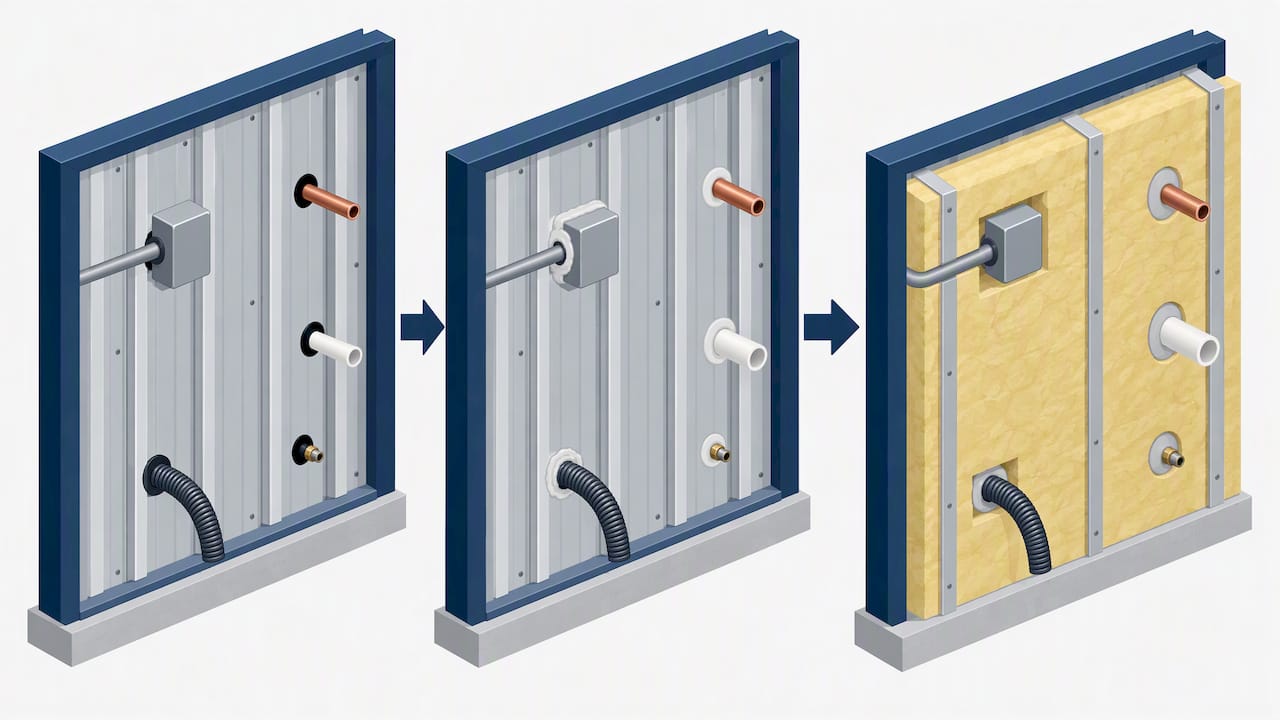
- Air-seal the shell: weatherstrip the overhead and service doors, caulk eave gaps, and foam any wiring or plumbing penetrations.
- Add wall and roof insulation matched to your climate, and consider slab edge insulation if the floor feels cold.
- Choose between a permanent system and temporary heat, and plan ventilation or combustion air needs accordingly.
- Install CO and smoke alarms, and start gathering permit documentation if you are installing anything permanent.
Each step reduces the load the next one has to deal with, which is why sealing comes before insulating, and insulating comes before buying a heater.
Which insulation types work best on a metal building
Metal buildings lose heat fast through thin panels and conduct cold through every fastener, so the insulation choice matters as much as the heater choice.
- Fiberglass batts with furring strips: affordable and widely available, but performance drops if the vapor layer is installed poorly.
- Closed-cell spray foam: seals and insulates in one step, resists moisture well, and works on irregular metal framing, at a higher material cost.
- Foil-faced polyiso boards: good R-value per inch and a built-in radiant barrier, useful on roof panels.
- Insulated blanket systems made for metal buildings: faced rolls designed to fit between purlins, a common retrofit for pre-engineered structures.
- Insulated metal panels: highest performance but usually reserved for new construction rather than retrofits.
For moderate to cold climates, aim for roughly R-13 to R-19 in the walls and R-19 to R-38 in the roof, increasing toward the higher end as winter design temperatures drop. Condensation is the recurring problem on metal surfaces: without an air barrier or vapor control layer, moisture collects on the cool metal skin and drips or rusts. The weakest points are almost always the overhead door, roof eaves, the slab edge, and any conduit or vent penetration. DIY batt and blanket work is manageable for most owners; spray foam and full roof retrofits usually call for a professional crew and run higher per square foot.
Pro Tip: Seal every penetration you can find before you install insulation. Insulation covers gaps instead of fixing them, which traps the air leak behind the finished wall.
Comparing heater types and sizing one correctly
Once the shell is sealed and insulated, the heater choice becomes much simpler because the load it needs to cover is smaller.
- Ductless mini-split heat pumps: efficient, heat and cool, and work well for insulated workshops used often; sizing and cold-climate performance benefit from sizing and selecting air-source heat pumps guidance that recommends matching capacity to the load rather than buying the biggest unit available.
- Electric infrared panels: heat people and objects directly, respond instantly, and suit spaces used for short stretches.
- Gas unit heaters: strong output for larger bays, but need proper venting, combustion air, and usually a licensed gas connection.
- Radiant tube heaters: efficient for tall, open spaces and keep floor-level warmth without blowing dust around.
- Pellet stoves: steady heat for an all-day workshop, with fuel storage and venting to plan for.
- Portable electric or propane heaters: fine for occasional spot heat, risky as a full-time solution because of cost and, with propane, indoor air quality.
A rough sizing method: multiply square footage by 20 to 30 BTU per square foot for an insulated garage with an 8 to 10 foot ceiling, adjusting upward for higher ceilings, poor insulation, or frequent door openings. A 24-by-24 foot bay with decent insulation often requires a heating capacity in the lower to mid range typically recommended for such spaces before adjustments. Gas unit heaters and any permanent gas or high-voltage work require professional installation; portable units do not.
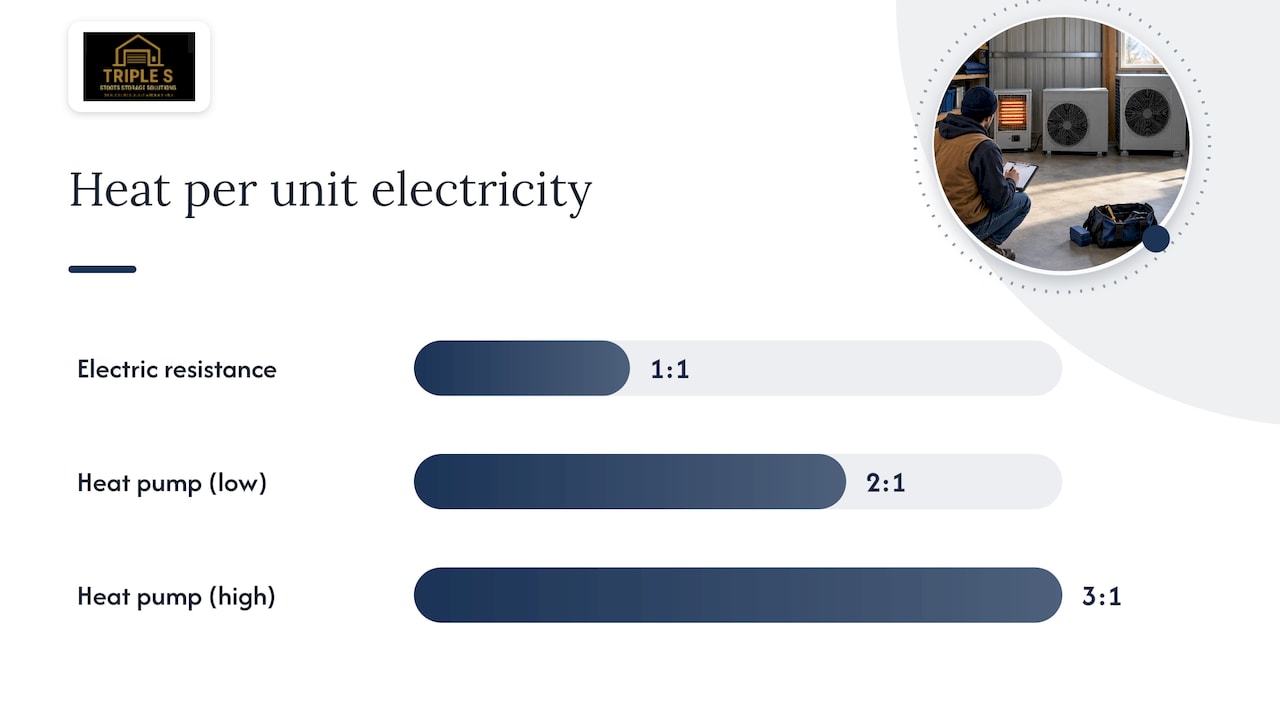
Heat pumps typically deliver two to three units of heat per unit of electricity consumed, compared with one-to-one for electric resistance heat, which is why a correctly sized heat pump often costs less to run even where electricity prices are not low. Expect some cycling at very low outdoor temperatures, and plan for brief supplementary heat on the coldest days rather than oversizing the whole system around rare extremes.
Carbon monoxide, venting, and generator rules you cannot skip
Fuel-burning equipment and portable generators are a leading cause of carbon monoxide poisoning, and NFPA guidance is specific: run them outdoors, at least 20 feet from doors, windows, and vents, never inside an attached garage.
- Install CO alarms near sleeping areas and at the entrance between an attached garage and the house.
- Keep combustion appliances properly vented with adequate combustion air and manufacturer-specified clearances.
- Schedule annual maintenance on any fuel-burning heater, checking burners, vent runs, and seals.
- Never run a generator or fuel heater in an enclosed or attached garage, even briefly, even with the door cracked open.
A 20-foot clearance from openings is the baseline NFPA recommendation for portable generators and fuel-burning heaters, and it is the single easiest rule to get wrong when working in a cold, closed-up garage.
Which installs need permits, and when to call a licensed contractor
Permanent heat usually crosses into permit territory. Air-source heat pump installs, new gas lines, new high-capacity electrical circuits, and any structural penetration for venting commonly require a permit and inspection.
- Electrical work for a new circuit or disconnect typically needs a permit tied to NEC requirements.
- Mechanical permits cover refrigerant line routing, condensate drainage, and outdoor unit siting and clearances, as outlined in the heat pump permitting and inspection checklist, which references NEC, IRC, and IFGC requirements.
- Gas connections for unit heaters or pellet appliances fall under IFGC rules and almost always need a licensed installer.
- Load calculations and system sizing beyond a basic BTU rule of thumb are good signals to bring in a contractor rather than guess.
Before applying, gather site plans, equipment spec sheets, and the installing contractor’s license information; most jurisdictions want all three before issuing a permit.
Typical costs for insulation and heating, with a worked example
Insulation retrofits usually cost less upfront than a full heating system and pay back fastest, since every heater choice gets cheaper to run once the shell holds heat. Mini-splits carry a higher equipment and installation cost than a basic gas unit heater, but lower running costs usually close that gap over a few winters. Operating cost mainly comes down to fuel price, local electric rates, heat pump efficiency, and how many hours a week the space actually runs.
- Say a 24-by-24 foot garage needs about 14,000 BTU per hour of heating once sealed and insulated.
- Electric resistance heat at one unit of heat per unit of electricity is the most expensive way to deliver that load.
- A heat pump delivering two to three units of heat per unit of electricity cuts the electric cost for the same BTU output roughly in half to a third.
- Propane or gas heaters shift the cost driver to local fuel price rather than electric rate, so the cheaper option depends on what you already pay for each.
Our take on sequencing the work right
We prioritize shell airtightness before equipment selection because an undersized heater in a sealed garage beats an oversized one fighting constant leaks. A phased approach, insulate this season and add permanent heat next, often makes more financial sense than rushing both at once. Whatever you choose, keep every permit on file and leave gas or high-voltage connections to licensed trades.
— Stoots
Planning a heated garage build? We handle the shell and the install
A heating plan only works as well as the building around it, and that is where we come in. We design and build custom garages and workshops, along with carports, barns, commercial buildings, barndominium shells, and other custom sizes, and we handle concrete and foundations and turnkey installs in-house instead of using subcontractors.

- One point of contact throughout the project, helping ensure sealing, insulation prep, and structural details stay coordinated throughout the process.
- We provide site prep, grading, and concrete work, supporting proper slab edge or foundation details that affect insulation performance.
- Clear and transparent quotes provided before any deposit, so you understand costs before committing.
If you are planning a new metal garage or workshop and want the shell built right for heating from day one, get a quote on our metal buildings or explore our site prep and foundation services.
FAQ
What is the best way to heat an uninsulated garage?
Seal obvious air leaks first, since heating an uninsulated garage without sealing it wastes most of the output. For temporary comfort, a vented space heater or electric infrared panel works, but adding even basic insulation before investing in a permanent system pays off faster according to sizing and selecting air-source heat pump guidance.
Is a heated garage a good idea?
A heated garage is worth it if you use the space regularly for work, hobbies, or vehicle storage in cold weather, especially once it is sealed and insulated. Without sealing and insulation first, heating costs climb and comfort stays inconsistent no matter which heater you pick.
How many BTUs do you need to heat a 24×24 garage?
A rough guide is 20 to 30 BTU per square foot for an insulated garage with a standard ceiling height, which puts a sealed 24-by-24 foot bay in the lower to mid range typically recommended for such spaces before adjustments. Poor insulation, high ceilings, or frequent door traffic push that number higher, so heat pump sizing guidance recommends calculating the actual load rather than guessing.
What is the cheapest way to heat a garage in winter?
For occasional use, a portable electric heater is the cheapest upfront option, though running costs add up with regular use. For frequent use, a correctly sized heat pump often costs less to run over a winter since it delivers two to three units of heat per unit of electricity compared to one-to-one for electric resistance heating.
How do smart thermostats help control garage heating?
A smart thermostat lets you schedule heat around actual use hours instead of running a system constantly, which cuts waste in a space you only occupy part of the day. Pairing one with a mini-split or electric heater, covered in buying guides like SmartSavvyHome’s thermostat comparisons, makes zoned scheduling easier to set up correctly.
Leave a Reply