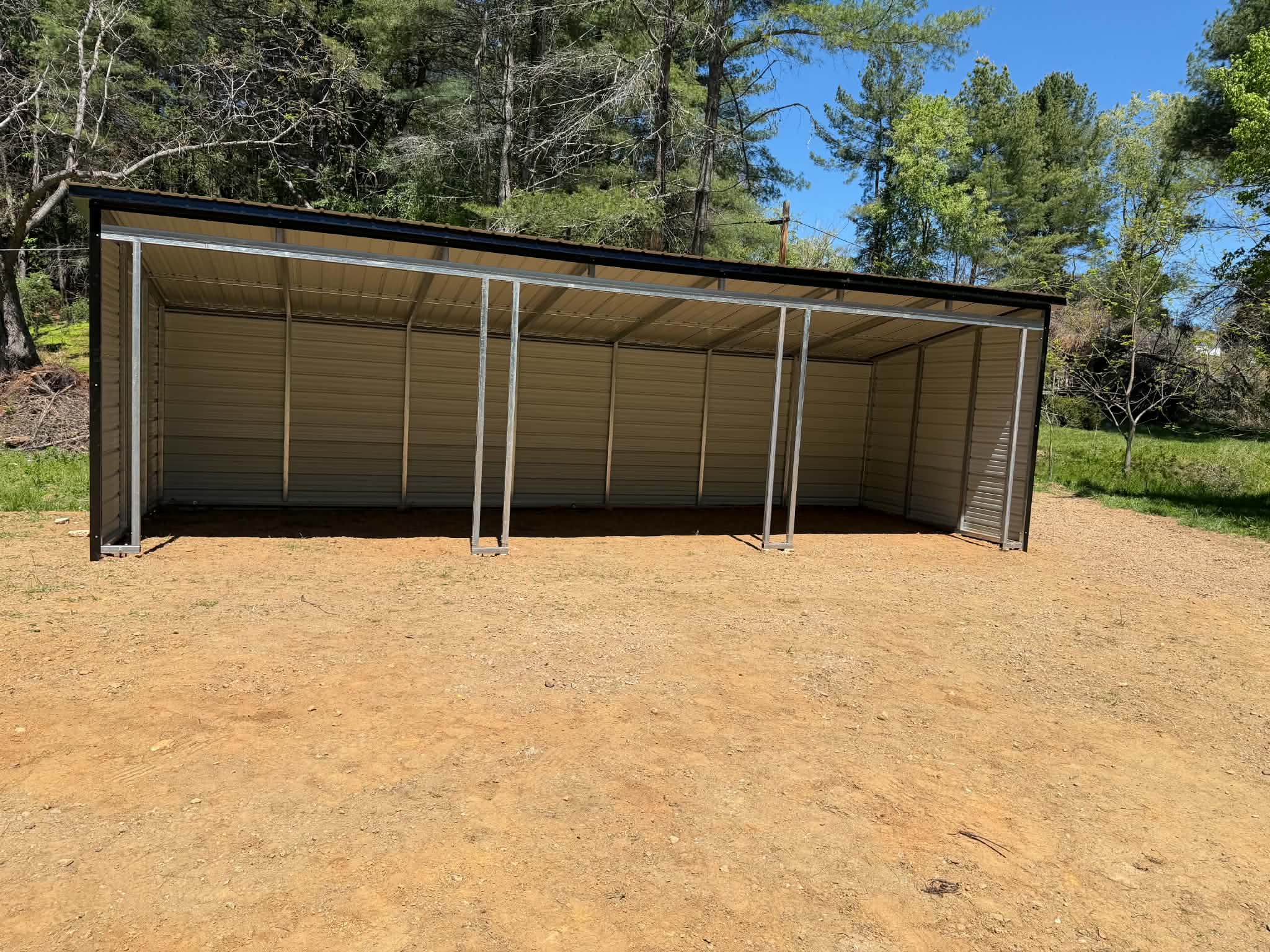
Most two-car metal carports cost about $3,000 to $12,000 installed. A basic 20×20 with a regular roof starts around $2,400 delivered and installed from big dealers in many states, while a taller, certified, vertical-roof carport with gable ends sits near the top of that range. Concrete, site prep and permits are usually extra, and together they can add a few thousand dollars.
Here is what drives the price, what a real job costs from the ground up, and how to compare quotes without getting burned.
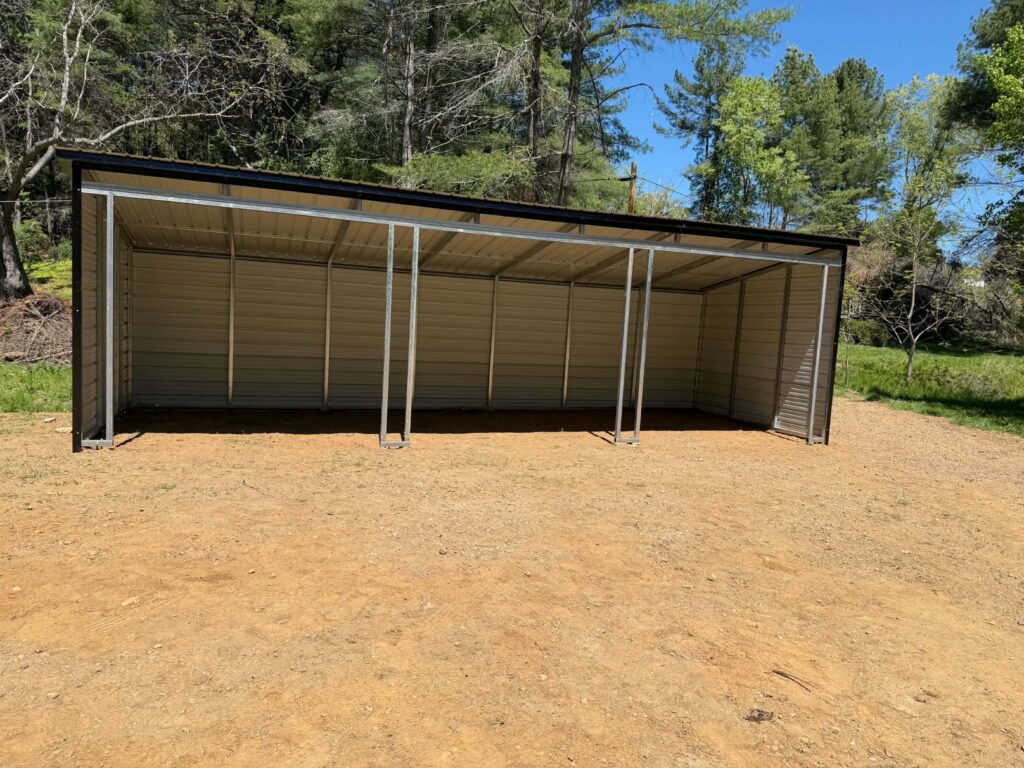
2-car carport costs at a glance
| What you are pricing | Typical cost |
|---|---|
| Basic 20×20 regular-roof carport, delivered and installed | From about $2,400 |
| Most installed two-car metal carports | About $3,000 to $12,000 |
| National average for a metal carport | About $5,400 |
| Standard 4-inch concrete slab | Roughly $4 to $8+ per sq ft |
| Simple site leveling | About $100 to $500 |
| Gravel pad | About $1,100 to $1,700 |
| Permit and inspection | Varies by county |
Prices move with steel and fuel costs and vary by state, so treat these as planning numbers, not a quote.
What size is a 2-car carport?
Two-car carports usually run 18 to 24 feet wide and 20 to 26 feet long. Sizes are listed width by length, and many dealers list the roof one foot longer than the frame, so a 20×21 and a 20×20 are often the same footprint.
| Size (width x length) | Good for |
|---|---|
| 18×20 or 18×21 | Two compact cars. Tight once the doors open. |
| 20×20 or 20×21 | Two cars, or a car and an SUV. The most common pick. |
| 22×21 to 24×21 | Two full-size trucks or SUVs, with room to open doors and park a mower. |
| 20×26 to 24×26 | Long-bed trucks, or extra room for storage at one end. |
Standard leg height is usually around 6 to 7 feet, which clears most cars. Lifted trucks, vans and anything on a trailer need more. Measure the tallest thing you will park, then leave some room to spare. Our RV carport size guide walks through clearance, and the size guide covers everything else.
What changes the price
- Width and length. Width costs more than length. Going wider takes longer roof trusses, while adding length mostly adds another frame section.
- Roof style. Regular (rounded) roofs cost the least, boxed-eave roofs a bit more, and vertical roofs the most. Vertical panels run from the peak down, so rain and snow slide off instead of sitting in the ribs. That is why about 80% of the buildings we sell get one. Compare the three roof styles.
- Leg height. Taller legs mean more steel and more panel on every side you close in.
- Steel gauge. 14-gauge framing is standard. 12-gauge is thicker and stronger and costs more. Roof panels are usually 29-gauge, with 26-gauge as an upgrade.
- Certification. A carport certified for your county’s wind and snow loads gets extra bracing, and most permit offices and insurers want it. Here is what the ratings mean.
- Sides and ends. Gable ends, side panels or a closed back wall block blowing rain and snow. Each panel adds cost, and walls all the way around put you in garage territory.
- What it sits on. Dirt, gravel, asphalt and concrete each take a different anchor. Match the anchor to the surface.
- Delivery and site access. Long hauls, tight driveways and sloped lots add time and cost. Most installers need the site close to level before they will set a carport.
Budget for the whole job, not just the carport
The price on a carport listing usually covers the building and the install. Here is what else shows up on a real job:
| Item | Cost |
|---|---|
| Frame, roof, standard anchors and installation | Usually included in the listing price, on a level site |
| Vertical roof, taller legs, 12-gauge, sides, certification | Upgrades added to the listing price |
| Site leveling | Extra: about $100 to $500 for minor leveling |
| Gravel pad | Extra: about $1,100 to $1,700 |
| Concrete slab | Extra: roughly $4 to $8+ per sq ft |
| Permit and inspection | Extra: varies by county |
A 20×21 slab is about 420 square feet, so a standard 4-inch slab often lands around $1,700 to $3,400 before footers, extra grading or a long concrete-truck run. Here is whether a 4-inch slab is enough and how a slab compares to footers.
Concrete, gravel or dirt?
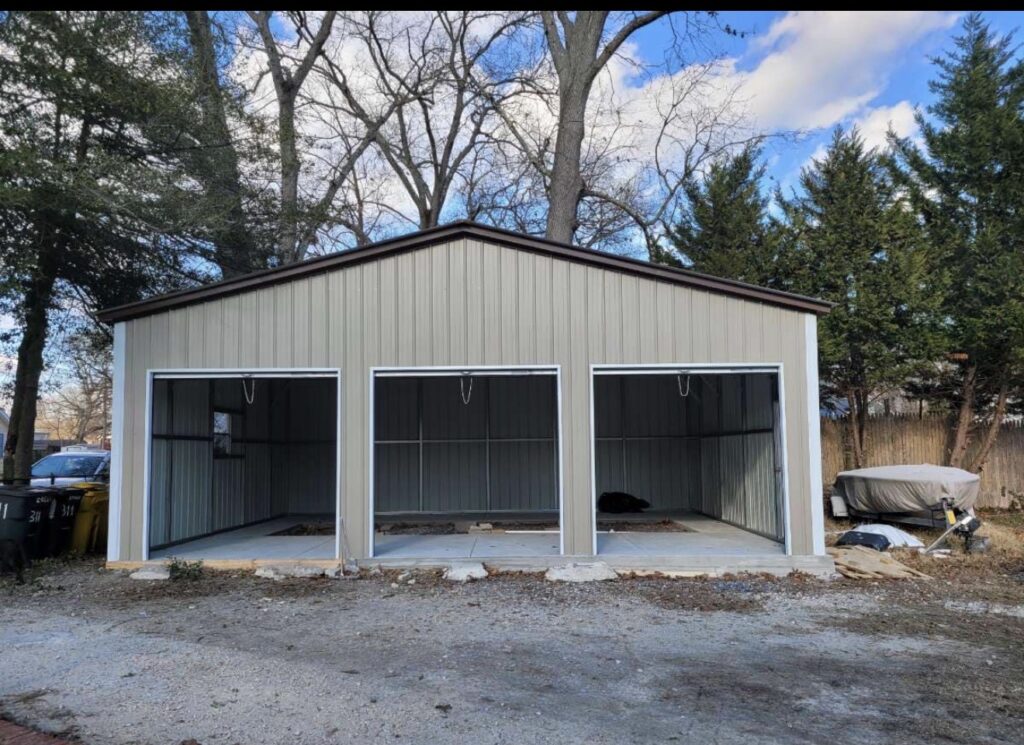
You do not need concrete for a carport. It can be anchored to level ground, gravel, asphalt or concrete. Concrete gives you the strongest anchoring and a clean, dry floor, and it is the right call if you might enclose the carport later. Gravel is a good middle ground for drainage and cost. Bare dirt is the cheapest, but it gets muddy and can shift over time. See what a gravel pad costs if you are weighing the two.
Carport or enclosed garage?
An open carport is the least expensive way to get a roof over two vehicles. Enclosing it adds walls, doors and cost, but you get security and full weather protection. It also changes how you can pay: open carports are not eligible for our rent-to-own program, while enclosed garages are. More in carport vs. enclosed garage and whether a carport adds home value.
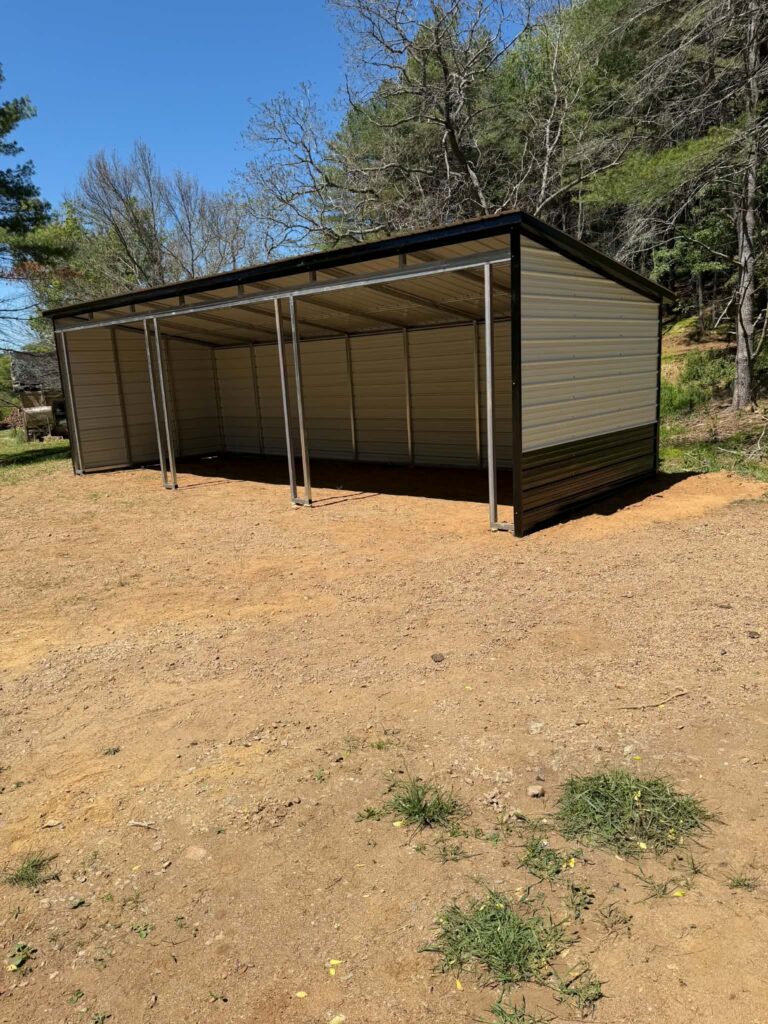
How to keep the cost down without cutting corners
- Buy the right size once. Adding on later almost always costs more than going a few feet bigger now.
- Match the roof to your weather. Where it snows, a vertical roof earns its keep. In milder areas or on a shorter carport, a regular or boxed-eave roof can make sense.
- Get the site ready. Clearing brush, calling 811 to mark utilities and keeping the delivery path open saves time on install day. Use our site prep checklist.
- Compare quotes line by line. Make sure every quote has the same size, height, gauge, roof style and certification before you compare prices.
Red flags in a cheap carport quote
- A “starting at” price for a size, height or roof you are not actually buying
- No wind and snow certification listed for your county
- Anchors and installation not spelled out
- Pressure to pay a big deposit fast to a company you cannot verify
Before you pay anyone, read how metal building scams work and how to vet a metal building company.
Get a real number for your carport
Call or text 276-235-1191 with the size you want, the roof style, where it is going and a couple of site photos. We will quote the carport, the concrete and the install with each one broken out, so there are no surprises. You can also build and price your building online first, or send us a quote request.
2-car carport cost FAQ
How much does a 20×20 metal carport cost?
A basic 20×20 with a regular roof starts around $2,400 delivered and installed from big dealers in many states. Most installed two-car carports land between about $3,000 and $12,000 once you choose the roof style, height, gauge, certification and sides you need. Concrete is extra.
Is installation included in carport prices?
Usually, as long as the site is level. Site prep, concrete and permits usually are not included. Our quotes break out the carport, the concrete and the install so you can see each cost.
Do I need a permit for a carport?
Often, yes, but it depends on your county and on whether the carport sits on a slab or attaches to the house. Check with your building department before you order. Here is how metal building permits work.
Can I finance a carport?
Open carports are not eligible for our rent-to-own program. Enclosed garages, workshops and barns are, with 15% down. See how rent-to-own works.
How long does a metal carport last?
A well-built steel carport can last for decades. The coating, your climate, and how well it was installed and anchored make the biggest difference. See how long metal garages last.
Sources
- HomeAdvisor: Metal Carport Prices (updated June 2026)
- Inch Calculator: Concrete Slab Cost
- Published 2026 carport cost guides and dealer price lists, checked October 2026